
GPU1
A planned entry point for managing AI workloads and accessing GPU compute through the XERJI platform.
- Inference and workload management
- GPU capacity access
- Deployment planning
XERJI / Inference platform
An inference network in development, with a platform to manage workloads, access GPU capacity and offer compute across connected locations.
Choose a platform
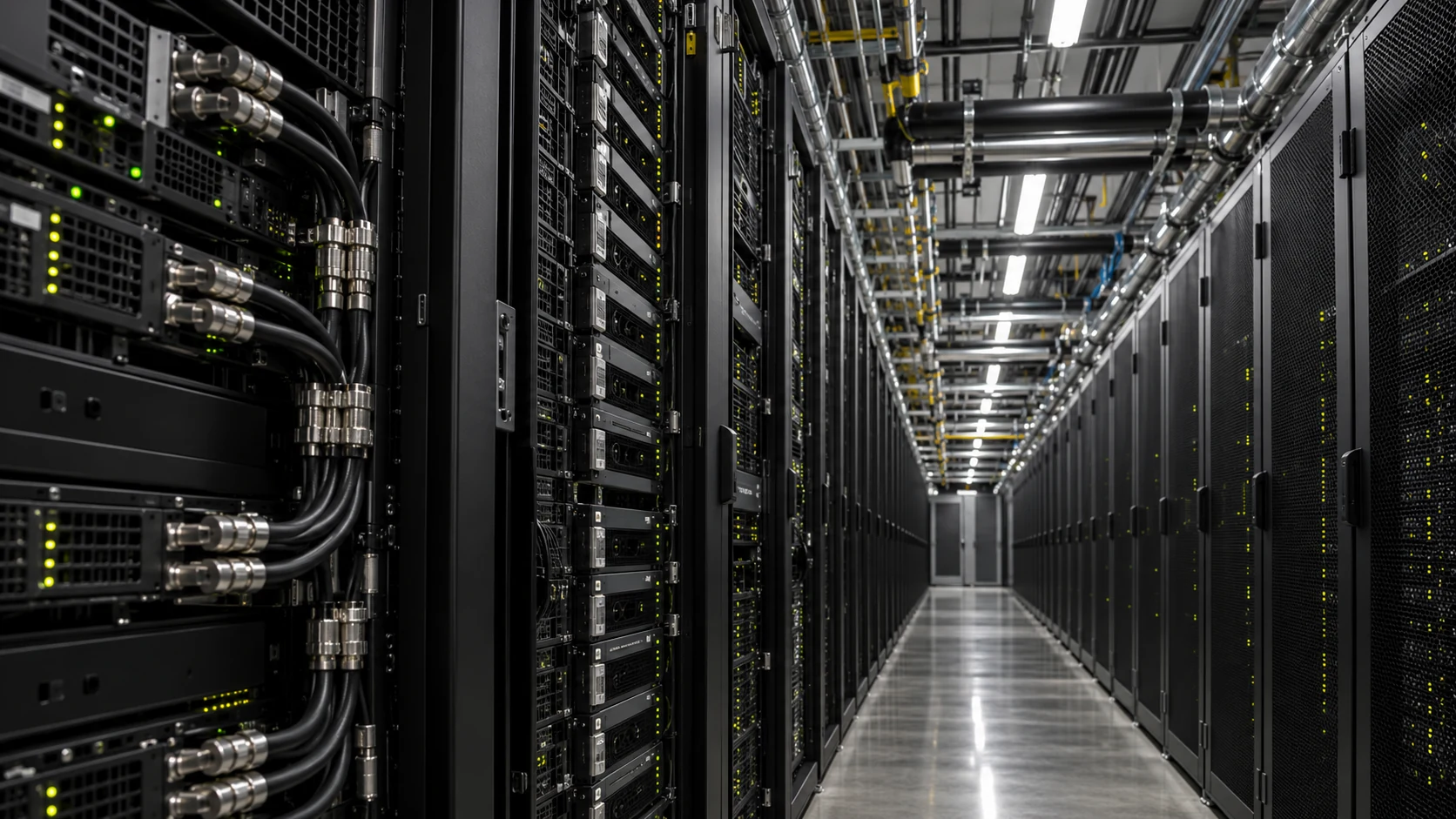
GPU1 and GPU2 are planned access points to the XERJI compute offering. Share your workload requirements or available capacity while platform access is being prepared.
A planned entry point for managing AI workloads and accessing GPU compute through the XERJI platform.
An additional platform route, designed to broaden the compute options available to customers and connect more capacity to workload demand.

We’re developing a platform for teams to manage workloads and for providers to offer compute, connected to the future XERJI inference network.
Plan deployments around models, memory, location and usage. Bring resource requirements and scaling needs into one workload view.
Match inference and AI workloads with suitable GPU capacity, deployment regions and commercial terms.
Bring available GPU capacity to the network. Start with your hardware, location, connectivity and availability.
A few practical questions
The XERJI platform routes are being prepared. Register your interest in GPU1 or GPU2 to discuss your workload or available compute. Registration does not reserve capacity or require payment.
They are separate entry points for XERJI’s planned compute platforms. The final hardware, regions, pricing and service terms will be shown by each platform when it becomes available.
Yes. Share your GPU quantity, preferred region, timing and duration with our team. Any offer will depend on confirmed capacity and agreed commercial terms.
Contact us with your GPU type and quantity, location, networking, availability and preferred terms. We’ll discuss suitability and the path to provider onboarding as the network develops.
No. Start with your model, memory needs, workload and usage expectations. We can use those requirements to frame the capacity discussion.